


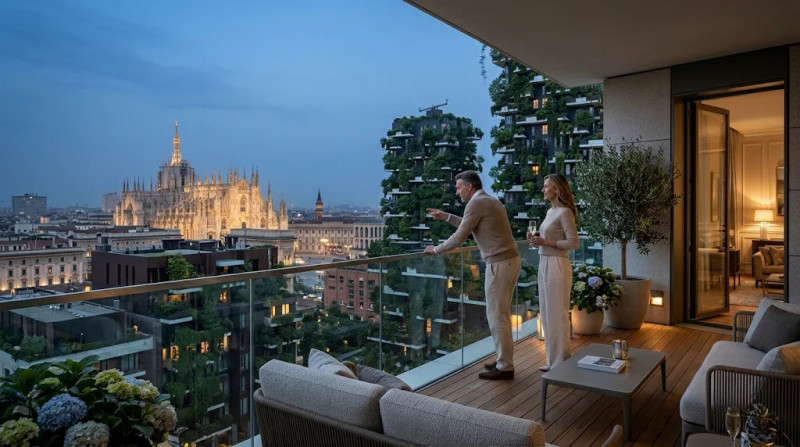
Milan stands as Italy's capital of luxury, where centuries of architectural heritage meet contemporary design excellence and a lifestyle defined by sophistication. The city's luxury residential market reflects this unique character, offering discerning buyers everything from meticulously restored historic apartments in cobblestoned neighbourhoods to striking contemporary penthouses in newly transformed districts.
Understanding luxury living in Milan requires looking beyond property specifications to embrace the city's distinctive rhythm: world-class cultural institutions, Michelin-starred dining, haute couture shopping, and a business environment that attracts international executives and entrepreneurs. For those considering a luxury home in Milan, the decision encompasses not just four walls but access to one of Europe's most dynamic and culturally rich urban experiences.
What Defines Luxury Living in Milan
Luxury in Milan carries specific hallmarks that distinguish premier properties from standard high-end offerings. Size matters, naturally, with prestigious apartments typically starting at 100 square metres and extending well beyond 300 square metres for the most exclusive residences. Ceiling height becomes critical in historic properties, where original proportions of 3.5 to 4 metres create the sense of grandeur expected at this level.
Location proves equally defining. Luxury buyers in Milan prioritise proximity to the city's cultural and commercial heart, with many seeking homes within walking distance of La Scala, the Duomo, or the Quadrilatero della Moda fashion district. Yet location extends beyond geography to encompass the character of specific buildings and streets, the presence of historic architectural details, and the quality of neighbouring establishments.
Amenities have evolved considerably in recent years. Where once a portineria (concierge service) and lift sufficed, today's luxury properties increasingly feature climate control, security systems, private terraces or gardens, dedicated parking spaces (a genuine luxury in Milan's dense urban fabric), and in newer developments, facilities such as fitness centres, swimming pools and private spa areas.
The price spectrum for luxury properties reflects these varied characteristics. Properties at the entry point of the luxury segment typically begin around €1 million, with prime historic apartments and contemporary penthouses in prestigious locations commanding €3 million to €5 million or significantly more for truly exceptional residences. In the most sought-after streets of Quadrilatero della Moda, prices can reach €15,000 per square metre, whilst contemporary developments in CityLife typically see three-bedroom residences ranging from €1.8 million to €2.5 million.
Milan's Most Prestigious Neighbourhoods: A Comparative Overview
NeighbourhoodAvg Price/sqmTypical Apt SizeArchitectural PeriodWalk to DuomoInternational SchoolsDining/ShoppingParkingBuyer Profile | ||||||||
Quadrilatero & Brera | €10,000-€15,000 | 120-250 sqm | 18th-20th century | 5-10 min | Limited nearby | Exceptional (fashion, fine dining) | Street only, rare garage | Fashion industry, international collectors, established wealth |
Magenta & Corso Italia | €8,000-€11,000 | 140-280 sqm | Late 19th-early 20th century | 10-15 min | Excellent (multiple within 1km) | High (residential focus) | Moderate (some palazzo garages) | Expatriate families, Milanese professionals, diplomats |
CityLife | €7,000-€10,000 | 100-200 sqm | 2010s-2020s | 20-25 min | Good (shuttle services) | Growing (integrated retail) | Excellent (underground parking) | Young professionals, design enthusiasts, turnkey buyers |
Porta Nuova & Garibaldi | €7,500-€10,500 | 90-180 sqm | Mixed (restored + new) | 15-20 min | Moderate | Very high (cosmopolitan) | Good (new buildings) | Corporate executives, globally mobile professionals |
Navigli & Tortona | €6,000-€9,000 | 110-220 sqm | Industrial conversion, early 20th century | 15-25 min | Limited | Exceptional (bohemian, creative) | Limited (street parking) | Creative industry, design professionals, lifestyle buyers |
Porta Venezia | €7,000-€9,500 | 130-240 sqm | Liberty era, early 20th century | 12-18 min | Good | High (neighbourhood cafes, delis) | Moderate | Artistic professionals, Italian families, garden seekers |
Milan's Most Prestigious Neighbourhoods for Luxury Residences
Milan's luxury property market concentrates in several distinct neighbourhoods, each offering particular advantages and appealing to different buyer profiles.
Quadrilatero della Moda and Brera remain the historic heart of Milanese luxury. The streets surrounding Via Montenapoleone, Via della Spiga and Via Sant'Andrea place residents at the epicentre of global fashion, with flagship boutiques, art galleries and refined dining literally on the doorstep. A 180-square-metre apartment on Via Gesù in Brera recently commanded prices approaching €15,000 per square metre, reflecting the premium placed on this address. Properties here typically occupy historic palazzo buildings with period features including original terrazzo flooring, decorative ceilings and generous room proportions. The neighbourhood attracts international buyers seeking quintessential Milan elegance and those in fashion and creative industries who value proximity to showrooms and ateliers.
Magenta and Corso Italia offer a more residential luxury experience whilst maintaining prime central positioning. These neighbourhoods appeal to families and those seeking slightly more space and tranquillity without sacrificing access to Milan's core. Tree-lined streets, proximity to Parco Sempione, and excellent international schools make these areas particularly attractive to expatriate executives and established Milanese families.
CityLife represents Milan's contemporary luxury offering. This entirely reimagined district, built on the former trade fair grounds, showcases signature architecture by internationally renowned designers including Zaha Hadid, Arata Isozaki and Daniel Libeskind. Three-bedroom residences in CityLife typically range from €1.8 million to €2.5 million, offering modern luxury living with extensive green spaces, shopping facilities, and state-of-the-art residential buildings featuring amenities rarely found in historic Milan properties. CityLife attracts buyers seeking turnkey modern luxury, typically younger high-net-worth individuals and those prioritising contemporary design and facilities over historic character.
Porta Nuova and Garibaldi form another transformed district, combining restored historic buildings with bold contemporary architecture around pedestrianised piazzas and the striking Bosco Verticale (Vertical Forest) towers. The neighbourhood offers a cosmopolitan atmosphere with international restaurants, hotels and offices, appealing particularly to globally mobile executives and entrepreneurs.
Navigli and Tortona provide a contrasting luxury proposition. These former canal and industrial districts have evolved into creative quarters combining residential lofts, design studios, galleries and vibrant nightlife. Luxury here often means converted industrial spaces with dramatic volumes, exposed brick and beams, and direct access to the neighbourhood's distinctive cultural scene. The area along Naviglio Grande and the streets around Via Tortona offer exceptional dining and nightlife, with art galleries and design showrooms creating a neighbourhood identity distinct from traditional Milanese elegance. These areas attract creative professionals, design enthusiasts and those seeking character-rich properties with unique architectural features rather than classical palazzo apartments.
Porta Venezia presents an often-overlooked luxury option combining Liberty-era architectural beauty with village-like neighbourhood charm. The district centres on the Giardini Pubblici Indro Montanelli, Milan's oldest public park, providing rare green space access. Via Mozart, Corso Venezia and the surrounding streets feature elegant early 20th-century buildings with Art Nouveau details, high ceilings and often small private gardens, particularly prized by families. The neighbourhood offers a strong local community feel with independent boutiques, neighbourhood trattorias and a residential atmosphere, whilst remaining well-connected to central Milan. Porta Venezia appeals to those seeking luxury living with a genuine neighbourhood identity and outdoor space, particularly Italian families and professionals in artistic fields.
Architectural Excellence and Property Characteristics
Milan's luxury properties showcase remarkable architectural diversity spanning five centuries of building traditions.
Historic apartments in the city centre typically occupy buildings from the late 19th and early 20th centuries, Milan's period of greatest expansion and prosperity. These properties feature the high ceilings, tall windows and generous proportions characteristic of the era. Original details might include decorative mouldings, parquet or terrazzo flooring, marble fireplaces, and frescoed or coffered ceilings. Many have been sensitively restored, retaining period character whilst incorporating modern systems and conveniences.
Penthouses and attico properties occupy the top floors of both historic and contemporary buildings. In historic contexts, these often began as servants' quarters or storage spaces, later converted to create dramatic living spaces with exposed roof beams and terraces offering exceptional city views. In newer buildings, penthouses are designed from the outset as premium residences with expansive terraces, sometimes approaching the interior floor area in size.
Contemporary luxury developments, particularly in districts like CityLife and Porta Nuova, embrace modernist and innovative design. Large windows maximise natural light, open-plan layouts create flexible living spaces, and materials such as glass, steel and stone define the aesthetic. Smart home technology, energy efficiency and comprehensive building amenities distinguish these properties from historic apartments.
Outdoor space commands a significant premium in Milan's dense urban environment. Private gardens at ground level, terraces at upper levels, and balconies of usable size can add 20 to 30 per cent to a property's value. Many luxury buyers prioritise outdoor space for both quality of life and as a differentiating feature in the market.
The Milan Luxury Lifestyle: Culture, Dining and Daily Life
Choosing luxury living in Milan means embracing a lifestyle distinguished by cultural richness, culinary excellence and design consciousness woven into daily life.
Milan's cultural calendar operates year-round. La Scala offers one of the world's premier opera seasons. Museums including the Pinacoteca di Brera, Museo del Novecento, and the recently expanded facilities at La Triennale provide constant engagement with art from Renaissance masters to contemporary installations. During Milan Fashion Week (held twice annually) and the Salone del Mobile furniture fair each April, the city becomes a global stage for design innovation.
Dining in Milan ranges from traditional trattorie serving risotto alla milanese and ossobuco to Michelin-starred establishments pushing culinary boundaries. Neighbourhoods like Brera and Navigli offer dense concentrations of restaurants, wine bars and cafes, whilst areas such as Porta Nuova feature international cuisine reflecting the city's growing cosmopolitan character.
Shopping extends far beyond the famous fashion quadrilateral. Design showrooms in Tortona and Durini present furniture and lighting from celebrated Italian brands. Food halls like Mercato del Duomo and the historic Peck delicatessen offer artisanal ingredients. Neighbourhood markets provide weekly opportunities for fresh produce shopping, maintaining connections to daily Italian life even within luxury living.
The practical aspects of Milan luxury living include excellent public transport (metro, tram and bus networks), though many residents prefer walking or cycling for daily needs. International schools serve expatriate families, healthcare facilities meet the highest standards, and English-speaking services have become increasingly available as Milan's international community has grown.
For those seeking investment opportunities alongside lifestyle benefits, exploring property investment in Italy provides broader context about the Italian market's potential returns and regulatory framework. Understanding how Milan fits within Italy's wider property landscape helps inform both lifestyle and financial decisions.
The Luxury Rental Market in Milan
Milan's luxury rental market operates in parallel with the sales market, serving distinct buyer and investor segments. Short-term luxury rentals experience peak demand during Milan Fashion Week (February and September) and the Salone del Mobile (April), when international visitors require high-specification accommodation for one to four weeks. Properties in Quadrilatero, Brera and Porta Nuova command premiums during these periods, with well-appointed two-bedroom apartments in prime locations achieving €5,000 to €10,000 per week.
Corporate relocations drive medium-term rental demand, with multinational companies seeking furnished luxury apartments for executives on one to three-year assignments. These rentals typically favour CityLife, Magenta and Porta Nuova for proximity to business districts and international schools. Rental yields for luxury investment properties generally range from 3 to 4.5 per cent annually, lower than mass-market rentals but offering capital appreciation potential and tenant quality.
Lease structures in Italy's luxury segment typically require four-year terms for residential lets, though transitional (short-term) contracts offer greater flexibility at higher rates. Landlords in the luxury segment usually furnish properties to corporate standards, with yields reflecting both rent and the capital invested in high-specification interiors. The rental market provides an alternative entry point for those testing Milan residency before purchasing, particularly appealing to globally mobile professionals evaluating the city's fit with their lifestyle and business needs.
Navigating the Purchase Process
Purchasing luxury property in Milan involves specific Italian legal requirements and practical considerations distinct from other European markets. Every property transaction must be formalised before a notaio, a public official who verifies the legality of the sale, confirms property title, calculates taxes, and registers the transfer. The notaio serves both parties and ensures compliance with Italian property law, though buyers typically choose and pay for this service.
Due diligence on palazzo buildings requires particular attention. Examining the condominium structure, reviewing past meeting minutes for planned maintenance or disputes, understanding cost-sharing formulas for common areas, and confirming any renovation restrictions (particularly in historic buildings with heritage protections) proves essential. Many luxury buildings in central Milan face facade restoration obligations, potentially requiring special assessments that current owners may not disclose without direct inquiry.
Typical transaction timelines extend three to four months from offer acceptance to completion. Initial deposits of 10 to 30 per cent secure the property, with the balance paid at the notaio signing. Engaging a commercialista (accountant or tax advisor) early in the process clarifies tax implications, including purchase taxes (ranging from 2 to 9 per cent depending on residency status and property classification), ongoing property taxes, and potential inheritance considerations for international buyers structuring ownership through companies or trusts.
Foreign buyers face no restrictions on property purchase in Italy, though non-EU nationals should confirm visa and residency pathways if planning extended stays. The purchase process itself remains identical regardless of nationality, though currency transfer logistics and foreign tax reporting add complexity best addressed with specialist advice.
Frequently Asked Questions
What price range constitutes luxury in Milan in 2026?
Luxury properties in Milan typically begin around €1 million for well-positioned apartments of 100 to 120 square metres in desirable neighbourhoods. Prime historic properties in Quadrilatero and Brera command €3 million to €5 million for 150 to 200 square metres, whilst exceptional penthouses and fully renovated palazzo apartments can exceed €8 million. Price per square metre ranges from €6,000 in emerging luxury areas like Navigli to €15,000 in the most prestigious addresses. New developments in CityLife typically position three-bedroom residences between €1.8 million and €2.5 million.
Do historic apartments in central Milan include parking?
Parking presents a genuine challenge in historic Milan properties. Most 19th and early 20th-century palazzo buildings predate automotive use and lack integrated parking. Some buildings have retrofitted small garages in courtyards or basements, but spaces remain limited and often require separate purchase or long waiting lists for condominium allocation. Street parking with resident permits offers the typical solution, though availability varies by neighbourhood. Contemporary developments universally include underground parking, often with multiple spaces per residence.
How do condominium fees compare between historic and new developments?
Condominium fees vary significantly based on building age, amenities and maintenance requirements. Historic palazzo buildings in Brera or Magenta typically charge €200 to €400 monthly for a 150-square-metre apartment, covering portineria service, common area cleaning, lift maintenance and building insurance. Major facade restorations or system upgrades can trigger special assessments adding thousands of euros annually. New developments with extensive amenities (pools, gyms, 24-hour concierge, landscaping) charge €400 to €800 monthly for comparable-sized units, but generally avoid surprise assessments due to modern construction and warranty coverage.
What are residency requirements for property purchase in Italy?
No residency requirement exists for purchasing property in Italy. EU, UK and international buyers all enjoy equal rights to acquire real estate. Non-EU buyers planning extended stays should investigate visa options separately: Italy offers various residency pathways including elective residence visas for financially self-sufficient individuals, investor visas, and employment-based permits. Property ownership alone does not confer residency rights, though it supports visa applications by demonstrating ties to Italy and accommodation arrangements.
Which Milan neighbourhoods offer the best English-speaking services?
Porta Nuova and CityLife lead for English-speaking infrastructure due to international corporate presence and expatriate density. Estate agencies, building management, and local businesses frequently operate in English. Magenta and Corso Italia, favoured by diplomatic and international school communities, also offer strong English-language service availability. Quadrilatero's luxury retail naturally accommodates English speakers, though residential building administration may default to Italian. Navigli and traditional neighbourhoods require greater Italian language capability for daily interactions, though younger professionals and hospitality venues typically manage English communication.
Can non-EU buyers obtain mortgages for Italian property purchases?
Non-EU buyers can access Italian mortgages, though lending criteria prove more restrictive than for EU nationals. Italian banks typically require non-EU borrowers to provide 40 to 50 per cent deposits (versus 20 to 30 per cent for EU buyers), demonstrate substantial income from verifiable sources, and accept lower loan-to-value ratios. Some international banks with Italian operations offer more favourable terms to existing private banking clients. Many non-EU luxury buyers choose all-cash purchases to simplify transactions, then potentially arrange financing against other assets if desired. Mortgage availability and terms vary significantly between institutions, warranting early exploration with specialist brokers.
How long does property purchase typically take in Milan?
The standard timeline extends three to four months from accepted offer to completion. Initial phases include offer negotiation and preliminary contract (compromesso) signing with deposit payment, typically 10 to 30 per cent of purchase price. This period allows for due diligence, mortgage arrangement (if applicable), and notaio appointment. The notaio requires several weeks to verify title, prepare documents and calculate taxes. Final signing (rogito) before the notaio transfers ownership and requires balance payment. Delays can occur with complex condominium documentation, heritage property approvals, or mortgage processing. Cash purchases or simple transactions occasionally complete faster, whilst properties requiring renovation permits or structural due diligence may extend timelines.
What ongoing costs should luxury buyers budget beyond the purchase price?
Annual ownership costs include IMU property tax (approximately 0.4 to 1.0 per cent of cadastral value for non-primary residences, with primary residences often exempt), TARI waste collection tax (€200 to €500 annually), condominium fees (€2,400 to €9,600 annually depending on building and amenities), and utilities. Properties with gardens or pools add maintenance contracts. Buyers should budget approximately 1.5 to 2.5 per cent of property value annually for these recurring costs. Insurance, though not mandatory, typically costs €500 to €1,500 annually for comprehensive coverage. Setting aside funds for eventual extraordinary maintenance (facade work, lift replacement, system upgrades) proves prudent, particularly in historic buildings where these expenses arrive unpredictably but inevitably.


